

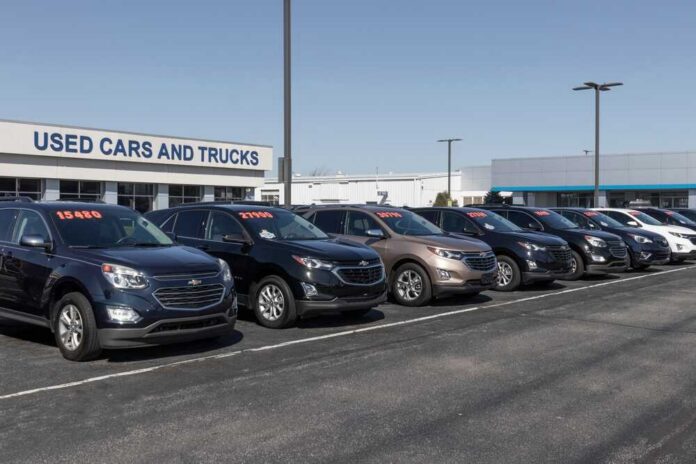
The first real crack in 2026’s used-car price wall finally showed up in April, and it’s a warning shot for both buyers and dealers about what comes next.
Story Snapshot
- Wholesale used-vehicle prices fell 1.6% month over month in April, the first decline in six months.
- March still looked tight and pricey, with average listing prices around $25,390 and an unusually lean 37-day supply.
- Most used segments dropped month to month, but EVs and hybrids remain a stubborn exception in the bigger picture.
- Tariffs and higher new-car prices keep pushing shoppers into used lots, even as inventory slowly rebuilds.
April’s price dip is small, but it changes the negotiating psychology
April 2026 delivered the first month-over-month drop in used-car prices this year, and that matters more than the dollar amount. A 1.6% wholesale decline breaks a pattern of steady climbs and tells buyers they may not be chasing a runaway market anymore.
Dealers feel this immediately because wholesale prices shape trade-in offers and retail pricing. The moment the trend turns, the power balance at the desk starts shifting.
Shoppers over 40 know the script: when a market feels hot, salespeople act like every car is a collectible. When the market cools, the same salesperson suddenly discovers “flexibility.” That’s why this first dip matters.
Even if retail prices take longer to follow wholesale data, buyers now have a defensible argument: the broader market has softened, and “today’s number” shouldn’t look like last month’s peak.
The supply story explains why prices stayed stubborn for so long
March was a snapshot of the hangover from the pandemic-era production mess: prices were still inching up and inventory remained historically tight. A 37-day supply signals fast-moving lots and limited choice, which makes comparison shopping harder and weakens your leverage.
Underneath that tight supply sits a quieter culprit: the earlier collapse in leasing. Fewer leases years ago means fewer clean, 3-year-old returns now.
Consumers shopping used-car lots may notice that electric vehicles are increasingly sporting more affordable price tags.
Even as purchases of new electric vehicles have faltered, used EV sales jumped 27.7% in March from a year earlier and were 53.9% higher than in February,… pic.twitter.com/Kn0LIzQ25y
— CNBC (@CNBC) May 7, 2026
The market finally started to loosen because leasing has been rebounding and those vehicles are coming back into circulation. That pipeline matters because it resets the “sweet spot” inventory: late-model, lower-mileage vehicles that most families actually want.
When that flow increases, dealers don’t just have more cars; they have more interchangeable cars. Interchangeability is the enemy of premium pricing because it gives buyers substitutes.
Tariffs and new-car pricing keep the used market from truly relaxing
Used-car prices don’t live in a vacuum. Higher new-car prices and trade policy ripple into the used market because shoppers who get priced out of new shift their demand to used.
That extra demand can keep used prices elevated even when wholesale indices soften. Common sense says families buy what they can afford, not what policymakers wish they’d buy, so any policy that nudges new-car prices higher tends to push traffic into used lots.
This is where instincts about kitchen-table economics apply: people respond to incentives quickly, and markets respond to scarcity even faster. If a new-car buyer faces higher monthly payments, higher insurance, or higher transaction prices, the used alternative looks smarter.
That doesn’t make dealers villains; it’s simply how pricing works when demand gets redirected. The result is a used market that cools slowly, not suddenly.
EVs and hybrids: month-to-month drops, year-to-year resilience
Some of the most interesting movement sits inside the categories. Carfax data shows month-to-month declines across most segments, including EVs and hybrids dropping by more than $500 nationally and more in some regions.
Yet other data points still show EV/hybrid pricing holding up year over year, implying continued interest even as the rest of the used market softens. That tension signals a market in transition, not collapse.
Gas-price anxiety helps explain the attention on electrified options, even when shoppers lose a tax credit or face confusing charging headlines. People don’t need to become EV evangelists to want fewer stops at the pump; they just need a monthly budget that feels under control.
For buyers, the takeaway is practical: EV and hybrid deals may improve, but you should still expect those vehicles to “stick” on pricing more than comparable gas models.
What this means at the dealership: trade-ins, financing, and timing
As wholesale prices ease, dealers often defend their front-end prices longer and adjust on the back end: trade-in offers, add-ons, and financing packages. High interest rates still punish buyers who focus only on sticker price.
A $500 discount can disappear in the finance office if the loan term stretches or if negative equity gets rolled in. Buyers should treat “monthly payment” talk as a negotiation trap unless they control the term, rate, and total price.
Timing remains tricky. Some analysts argue prices won’t drop dramatically and recommend delaying a purchase when possible, while others point to improving inventory and better deals than recent years. Both can be true depending on your situation.
If your car is reliable, waiting can increase selection and reduce pressure. If your car is failing, the smarter move is to shop harder: compare listings, demand transparent fees, and treat every add-on as optional.
Used car prices fall for the first time this year, and EV interest rises as gas prices spike https://t.co/sgw9Nq2BfF pic.twitter.com/8a9ZjWV0G3
— Grimmˋs Global Macro Aggregator (GGMA) (@GFXFTs) May 7, 2026
The real headline isn’t “used cars got cheaper.” The headline is “the market’s mood changed.” April’s dip tells you the surge isn’t guaranteed, inventory is slowly rebuilding, and dealers can’t lean forever on the post-2020 scarcity story.
Buyers who bring data, stay disciplined on financing, and remain willing to walk will benefit most from this new phase—especially before the next policy shift or fuel-price spike re-tilts the table.
Sources:
https://www.carfax.com/used-car-index
https://www.kbb.com/car-advice/is-now-the-time-to-buy-sell-or-trade-in-a-used-car/
https://www.tradingview.com/news/te_news:548808:0-used-car-prices-in-the-us-fall-in-april/
https://www.cargurus.com/research/price-trends
https://www.nerdwallet.com/auto-loans/learn/car-market-prices