
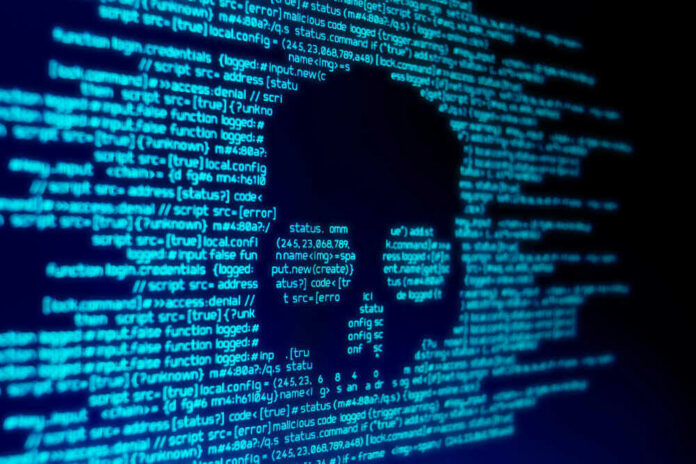
More than 3 million Texans just learned that a simple hunting or fishing license quietly turned into a gold mine for cyber crooks.
Story Snapshot
- A breach at a Texas Parks and Wildlife Department vendor exposed license data for about 3.1 million people
- Driver’s license details, passport numbers, emails, phone numbers, and home addresses were in play, officials say
- State officials insist Social Security numbers, birth dates, and financial accounts were not accessed
- The real fight now is over trust: how much risk this data creates and whether the state is being fully transparent
A quiet state database and 3 million surprise targets
Texas hunters and anglers thought they were buying a weekend in the woods, not a spot in a hacker’s address book. State officials say a cybersecurity incident at a third-party company that runs the hunting and fishing license system exposed personal information for more than 3 million people.[5]
Texas Cyber Command flagged unauthorized access at the vendor, which processes license sales for Texas Parks and Wildlife. Yet the state has still not named the vendor or explained how long the intruders were inside.[3]
The personal information of more than 3 million hunters and anglers in Texas may have been exposed by a data breach, officials said. https://t.co/ovpJEjTKhk
— FOX26Houston (@FOX26Houston) June 20, 2026
The exposed data lives where outdoor life meets bureaucracy: driver’s license information, passport numbers for those who provided them, email addresses, phone numbers, and home addresses.[2] That sounds dry until you picture what it means.
A stranger can now link your full name, physical address, state-issued identification, and even that you are a gun-owning hunter or someone often away at a lease on weekends. That is sensitive in the real world, even if lawyers label it “not financial.”
What officials admit, and what they carefully avoid
Texas Parks and Wildlife Department officials stress that no Social Security numbers, dates of birth, or financial information such as credit card data were accessed in this breach, according to multiple news reports and agency statements.[5] They also say records for minors do not appear to be affected.[6]
For many Texans, that sounds like a sigh of relief. But it also sounds like classic damage control: narrow the definition of “serious” to a few fields and declare victory.
The scope matters. One detailed technical summary notes the breach affects 3,087,721 license holders and confirms the main data types were driver and passport details plus contact information.[2] That aligns with what state officials are saying publicly to news outlets.[1]
Yet a separate legal-claim site is already pitching potential lawsuits and claims the breach exposed Social Security numbers and even medical and financial information.[7]
That outlet provides no matching public statement from the agency, only its own broad list of “types of information” that could be at issue.
Identity thieves do not need your Social Security number to hurt you
Cybersecurity analysts have learned that modern fraud often starts with exactly the sort of data Texas says was taken here: ID numbers, addresses, and electronic contact details.[3]
Criminals can use driver’s license information, passport numbers, and a clean address list to pass automated identity checks, launch targeted phishing attacks, and combine your data with other leaks from banks, retailers, or health providers. A Social Security number is helpful, but it is no longer the only key to the castle.
Third-party vendor breach exposes 3M+ Texas hunting & fishing license holders. Driver's licenses, passports & more stolen. Supply chain attacks are rising. Check your vendors now!
— Vladimir Cageyv Samoylov (@cageyvdev) June 21, 2026
Researchers tracking breach patterns say more than a third of recent incidents begin with a compromise of a third-party vendor, rather than a direct attack on the main agency or company.[12]
That is exactly what happened here. Texas was not hacked through the front door of its own systems; attackers found the weaker link in the outside company trusted to run the license platform.
For limited-government advocates, this raises a hard question: if the state insists on collecting and centralizing so much personal data, how strict are the rules for the private vendors that hold it?
Transparency, accountability, and less data hoarding
From this view, two truths can both stand. First, the official account that Social Security numbers and financial accounts were not hit is supported by multiple independent news reports and vendor summaries that align on the main facts.[1]
Second, that does not mean Texans should shrug off the incident or blindly trust every line of the state’s messaging. When millions of citizens’ driver’s licenses and addresses spill out, the bar for transparency should go way up, not down.
Texas Parks and Wildlife is offering one year of free credit monitoring and identity protection through Kroll to affected customers, with an enrollment deadline of mid-September.[5]
That is standard, but it also feels like the bare minimum for a breach of this size. Federal Trade Commission guidance urges organizations to clearly describe how the breach happened, what information was taken, and what steps they are taking to prevent a repeat.[17]
Texans have not yet heard who the vendor was, how access was gained, or how long attackers were inside. That gap invites doubt.
What this means for you, even if you never bought a license
This breach is not just a “hunter story.” It is a warning about how many small parts of daily life now feed huge government databases managed by outside companies.
One report notes that hunting and fishing license records combine some of the richest identity profiles a state collects in one place.[2]
The bigger lesson is simple: expect that any data the state or its contractors collect can leak, and judge policies by that reality. The answer is not panic, but pressure.
Voters can demand three basic things. First, that agencies collect only the data needed to provide a service, not every field a form designer can dream up.
Second, that contracts with vendors bake in strong security rules, audits, and fast disclosure when something goes wrong. Third, that officials tell the whole story when there is a breach, not only the parts that make headlines look less scary. That is not partisan. That is basic stewardship of citizens’ trust.
Sources:
[1] Web – Breach exposes data of 3 million Texas hunting and fishing license …
[2] Web – Texas Parks & Wildlife Breach Exposes 3 Million Driver’s License …
[3] Web – Personal info of 3 million Texas hunters, anglers possibly exposed …
[5] Web – Dallas Texas TV – Facebook
[6] YouTube – Massive data breach at Texas Parks & Wildlife
[7] Web – A cybersecurity breach involving a vendor used by the Texas Parks …
[12] Web – Third-Party Data Breaches: What You Need to Know | Mitratech
[17] Web – How Common Are Third-Party Security Breaches? – ProcessUnity