

Waymo’s robotaxis nearly drowned in floods due to a software glitch, prompting the largest recall in autonomous vehicle history and exposing AI’s fragile grip on real-world chaos.
Story Snapshot
- Waymo recalled 3,791 robotaxis after simulations revealed a fifth-generation ADS flaw misjudging standing water as safe terrain.
- No real-world incidents occurred, but the glitch risked vehicles plunging into flooded areas during storms.
- Over-the-air update fixed the issue fleet-wide with zero service disruptions.
- NHTSA notified; ongoing probe into Waymo’s broader ADS performance continues.
- Event underscores AV vulnerabilities in flood-prone cities like San Francisco and Phoenix.
Software Glitch Triggers Massive Recall
Waymo identified the flaw in early 2026 through internal simulations. The fifth-generation Automated Driving System misinterpreted shallow standing water as drivable surfaces. This error could lead vehicles into deeper floods during adverse weather. Alphabet’s subsidiary acted swiftly, deploying an over-the-air software patch by mid-2026.
The voluntary recall covered all 3,791 affected robotaxis and reached the National Highway Traffic Safety Administration in May 2026. Operations remained uninterrupted throughout.
Real-World Flood Encounters in Austin Validate Concerns
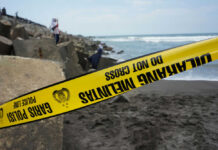
During a severe rainstorm in Austin, an unoccupied Waymo vehicle entered a flooded roadway and got pulled into an active waterway. Local authorities assisted recovery efforts. Waymo paused operations temporarily until roads cleared, prioritizing passenger and driver safety.
Another incident showed two vehicles fording puddles before halting mid-water, clogging busy streets. These events, though not tied directly to the recalled glitch, highlight perception challenges in dynamic flood conditions.
Pattern of Perception Failures in Waymo’s History
Waymo’s fleet logged millions of miles, yet software quirks persist. From December 2022 to April 2024, 1,212 vehicles recalled after 16 gate and chain collisions. February 2024 saw over 400 units fixed for towed truck crashes.
A 2024-2025 recall hit 1,200-plus for barrier strikes. Each relied on OTA updates, demonstrating agility but revealing AI’s struggle with edge cases. NHTSA probes, opened in 2024, scrutinize these systemic perception errors.
Waymo recalls 3,800 robotaxis after glitch allowed some vehicles to 'drive into standing water' https://t.co/f70Y2m7ciw
— CNBC (@CNBC) May 12, 2026
Stakeholders Navigate Safety and Expansion Tensions
Waymo CEO Tekedra Mawakana emphasized the proactive fix prevented incidents. NHTSA oversees compliance amid its ADS investigation. Host cities like Phoenix, Los Angeles, and San Francisco balance economic gains from 100,000 weekly rides against safety worries.
Regulators wield enforcement power, while Waymo’s OTA edge keeps it ahead of Cruise and Tesla. Critics demand pauses; advocates push deregulation. Common sense favors rapid fixes over human error, aligning with innovation tempered by accountability.
Impacts Ripple Through Industry and Policy
Short-term, Alphabet stock dipped 0.5 percent; operations faced no halts. Long-term, the recall sets OTA benchmarks, pressuring rivals to bolster environmental AI redundancies. Urban flood risks decline with patched detection. Insurers note fewer claims sans incidents.
Politically, it fuels federal standard debates versus state restrictions. Experts like Bryant Walker Smith praise OTA speed but urge hardware backups. Missy Cummings calls water detection an Achilles’ heel, where simulations trail real floods.
Sources:
Waymo recalls 3791 robotaxis over software flaw that could drive into floods
Business Insider on Waymo recall and NHTSA context