

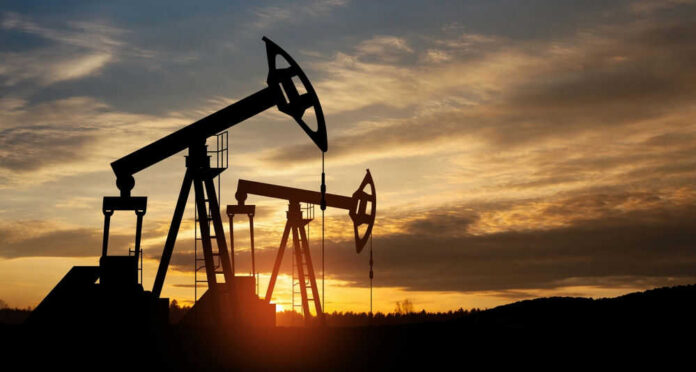
Iran’s stranglehold on the Strait of Hormuz has forced Kuwait to slash oil production in what amounts to an energy hostage crisis threatening American consumers and exposing the catastrophic consequences of Middle East chaos.
Story Snapshot
- Kuwait Petroleum Corporation cut production by 100,000 barrels per day on Saturday, citing Iranian aggression and Strait of Hormuz threats
- Iran’s near-blockade of the strait has disrupted 20% of global oil and LNG supplies, with Gulf producers running out of storage in days or weeks
- Regional war escalates as Kuwait’s military downs seven Iranian drones while Iraq, Qatar, and Saudi Arabia face production shutdowns and infrastructure attacks
- Gulf nations invoke force majeure clauses as storage capacity nears exhaustion, with Iraq facing just six days and Kuwait approximately two weeks without export rerouting
Iranian Aggression Forces Production Shutdown
Kuwait Petroleum Corporation initiated emergency production cuts Saturday morning, slashing approximately 100,000 barrels per day from its typical 2.6 million barrel output as Iranian threats to close the Strait of Hormuz materialized into concrete danger.
The state-owned oil giant cited ongoing Iranian aggression against Kuwaiti infrastructure and shipping routes as justification for invoking force majeure clauses, a legal provision reserved for circumstances beyond reasonable control.
Bloomberg sources indicated the cuts would nearly triple by Sunday, with further reductions contingent on storage capacity and Hormuz shipping status. This marks a forced response to active warfare rather than voluntary OPEC coordination, distinguishing it from previous production adjustments and signaling genuine crisis conditions across Gulf energy markets.
Strait of Hormuz Becomes Regional Chokepoint
The Strait of Hormuz, a narrow waterway between Iran and Oman carrying one-fifth of global oil supplies, has become virtually impassable as Iran’s expanding military campaign targets Gulf infrastructure with missile and drone strikes.
Recent Iranian attacks damaged US embassies in Kuwait and Dubai while threatening commercial shipping lanes critical to regional energy exports. Kuwait’s military intercepted seven Iranian drones over the weekend, though falling debris caused infrastructure damage highlighting the vulnerability of civilian areas.
This escalation mirrors Iran’s 2019 tanker seizure tactics but represents a significant intensification, with Tehran leveraging asymmetric control over the chokepoint to pressure US-aligned Gulf states. The near-halt of Hormuz traffic forces producers to rely on limited storage capacity and alternative export routes.
OIL MARKETS FACE DEEPER DISRUPTION AS PRODUCERS INCLUDING THE UNITED ARAB EMIRATES AND KUWAIT CUT OUTPUT WHILE TANKER TRAFFIC AVOIDS THE STRAIT OF HORMUZ AMID THE ESCALATING CONFLICT INVOLVING THE UNITED STATES, ISRAEL AND IRAN, PUSHING CRUDE PRICES CLOSER TO $100 A BARREL.
— First Squawk (@FirstSquawk) March 8, 2026
Regional Producers Face Storage Crisis
Kuwait’s production cuts join a cascading series of Gulf disruptions as regional producers confront catastrophic storage limitations without viable export routes. Iraq faces the most acute vulnerability with just six days of storage capacity remaining, while Kuwait and Qatar possess approximately 14 to 20 days before facilities reach maximum capacity.
Saudi Arabia and the UAE maintain longer buffers at 36 and 16 days, respectively, extending to 65 and 19 days if Hormuz-bypass pipelines operate at full capacity. Qatar shuttered LNG facilities following drone attacks, while Saudi refineries closed amid infrastructure strikes.
JP Morgan analysis identifies these producers as “running against the clock,” with weeks at most before forced shutdowns absent Hormuz reopening or dramatic rerouting expansion.
Economic Implications for American Energy Security
The disruption of 20% of global oil and LNG supplies threatens American consumers with price spikes and market volatility as Gulf production faces unprecedented war-related constraints. While the Trump administration has prioritized domestic energy independence through expanded drilling and pipeline infrastructure, global markets remain interconnected, meaning Middle East supply shocks ripple through American gas pumps and heating bills.
Iran’s weaponization of the Strait of Hormuz exemplifies the dangers of allowing rogue regimes to hold critical infrastructure hostage, validating longstanding conservative warnings about Middle East instability and energy security.
The crisis underscores the importance of maintaining strategic petroleum reserves and maximizing American production capacity to insulate consumers from foreign supply disruptions. Gulf allies face immediate decisions on emergency OPEC+ output adjustments from non-Hormuz producers to stabilize markets.
*KUWAIT CUTS OIL PRODUCTION AS STRAIT OF HORMUZ CLOSURE DISRUPTS GLOBAL ENERGY MARKET pic.twitter.com/VKGimtkKQI
— Investing.com (@Investingcom) March 8, 2026
Kuwait’s invocation of force majeure represents more than technical contract language; it signals recognition that normal market operations cannot function under active military threat. The broader geopolitical implications extend beyond immediate supply concerns to fundamental questions about Iran’s regional ambitions and the stability of global energy infrastructure.
As storage capacity depletes across multiple Gulf states simultaneously, the window for diplomatic or military resolution narrows dramatically. American leadership and strategic deterrence remain essential to preventing Iran from permanently disrupting a chokepoint vital to allied nations and global commerce, protecting both national security interests and economic stability at home.
Sources:
Kuwait Cuts Oil Production Amid Iran Threats to Strait of Hormuz – The Deep Dive
Gulf Crisis: Now Kuwait Announces Cuts in Oil Refining Output – Times of India