
One small piece of damaged fruit slipping through an airport nearly handed a dangerous foreign pest the keys to America’s food supply.
Story Snapshot
- CBP officers at Detroit Metro Airport stopped a passenger from Albania carrying fruit infested with a destructive Mediterranean fruit fly.
- The medfly is considered one of the world’s worst agricultural pests, threatening orchards, family farms, and food prices.
- Strict border inspections and honest declarations are a front-line defense against invasive species and costly government crackdowns.
- Past seizures at Detroit include bushmeat, exotic larvae, and beetles, underscoring persistent risks from unsecured imports.
CBP Intercepts Dangerous Pest at Detroit Airport
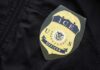
Customs and Border Protection agriculture specialists at Detroit Metro Airport recently intercepted a shipment of personal fruit that could have triggered serious consequences for American farmers. An incoming passenger from Albania arrived carrying quince fruit, some of it visibly damaged.
During inspection, officers discovered a live Mediterranean fruit fly, or medfly, hidden amid the fruit. That single insect, if released and allowed to reproduce, could have become the source of a costly infestation across orchards and backyard trees nationwide.
CBP officials described the find in stark terms to underscore what was at stake. Marty C. Rabon, director of field operations in Detroit, publicly emphasized that the medfly is “one of the world’s worst fruit pests,” a label earned through decades of destruction in countries that failed to keep it out.
His warning served as both a celebration of the successful interception and a reminder that holiday travelers and everyday flyers share responsibility for protecting America’s borders and food system.
A passenger from Albania brought along an unintentional guest with their undeclared quince. @CBP agriculture specialists at #DetroitMetroAirport extracted medfly—one of the world’s worst fruit pests—from the damaged fruit. This is why it’s important to declare EVERYTHING! pic.twitter.com/z9CpuoXt0q
— CBP Director of Field Operations Marty C. Raybon (@DFODetroit) December 17, 2025
Why the Medfly Threatens America’s Food and Families
The Mediterranean fruit fly poses an outsized risk because of how aggressively it targets fruits and vegetables that families rely on. Adult flies lay eggs under the skin of ripening fruit, and the larvae tunnel through the flesh, destroying crops from the inside.
Infestations can force growers to destroy entire harvests, triggering higher prices for consumers and driving small producers out of business. A widespread outbreak would invite heavy-handed emergency restrictions, quarantines, and costly government responses across farming regions.
American agriculture remains one of the strongest engines of the real economy, especially under leadership that prioritizes farmers and rural communities instead of globalist trade fantasies.
A single invasive species can undo years of work by growers who operate on thin margins and depend on predictable harvests. When pests like the medfly slip in, they do not just threaten corporate farms; they endanger family orchards, local fruit stands, and small businesses that anchor conservative, rural communities already squeezed by inflation and past mismanagement.
Declare Everything: Personal Responsibility at the Border
Following the Detroit incident, Rabon issued a blunt reminder that “that’s why it’s important to declare EVERYTHING!” His message highlights a principle conservatives understand well: individual responsibility matters.
When travelers try to bypass rules or assume a small bag of fruit is harmless, they shift risk onto millions of law-abiding Americans who never consented to that gamble.
Honest declarations and respect for inspection procedures help avoid sweeping federal crackdowns that inevitably burden everyone, not just the careless few.
Border agriculture rules are designed to be clear and accessible, not secret traps. CBP publishes a list of prohibited and restricted items for airline travel into the United States, including fresh or raw chestnuts, because they can carry destructive pests.
Officials encourage travelers to check those rules before flying and to declare any food items they do bring. That simple act allows specialists to inspect, safely dispose of risky goods, and keep honest passengers out of trouble while locking invasive species out of the country.
Pattern of Risk: Past Pest Seizures in Detroit
The medfly interception in Detroit did not occur in isolation; it fits into a troubling pattern of dangerous biological material arriving with travelers and cargo.
Previous reports at the same airport include African bushmeat carried by passengers from Togo and Gabon, caper fruit fly larvae hidden in fresh flowers from Italy, and a tropical beetle species discovered in partially dry bark from the Ivory Coast. Each case represented a separate doorway through which disease and infestation might have entered American communities.
These repeated seizures show that enforcement officers are doing their jobs, but they also reveal how fragile the system becomes when even a few people ignore the rules. Every prohibited item that slips past inspection increases the risk of an outbreak that could trigger quarantines, crop destruction, and heavier regulation.
For conservatives who value limited government and local control, keeping pests out at the border is far preferable to living under sweeping emergency orders after an avoidable infestation takes hold.