
A new Pentagon order places 1,500 troops on standby, stirring controversy over federal military intervention in Democrat cities.
Story Snapshot
- The Pentagon has prepared 1,500 active-duty troops for possible deployment in Minnesota amid protests in Minneapolis.
- The protests erupted after ICE agents fatally shot a U.S. citizen and wounded a Venezuelan migrant.
- President Trump initially threatened to invoke the Insurrection Act, but later stated there was no immediate need.
- This move signals a potential escalation in the federal response to perceived unrest in Democrat-led cities.
Troops on Standby Amid Minneapolis Protests
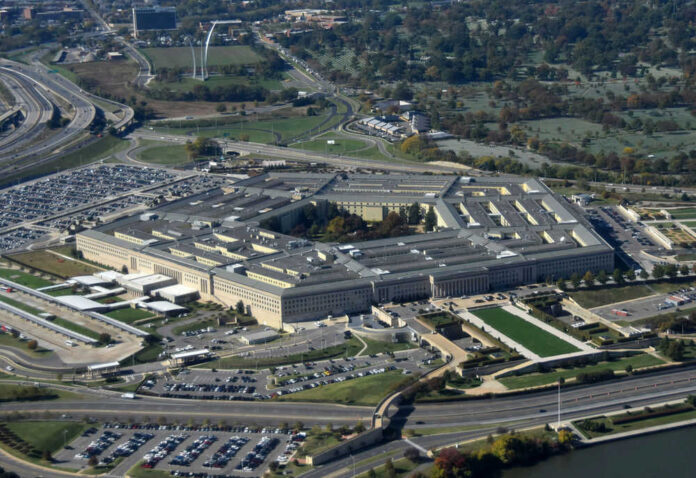
The Pentagon has ordered approximately 1,500 troops from the 11th Airborne Division in Alaska to be on standby for a possible deployment to Minnesota.
This action follows the fatal shooting of U.S. citizen Renee Good and the wounding of Venezuelan migrant Julio Cesar Sosa-Celis by ICE agents in Minneapolis. The incident has ignited protests and raised concerns about the federal response to immigration enforcement and protest suppression in Democrat-led cities.
Pentagon readies 1,500 troops for potential Minnesota deployment, U.S. officials say https://t.co/tYTe5K0THn
— CNBC Politics (@CNBCPolitics) January 18, 2026
President Trump, known for his hardline stance on immigration, initially suggested invoking the Insurrection Act to quell the unrest but later refrained from taking such drastic measures.
The decision to put troops on standby indicates a heightened federal readiness to act, even as the President stops short of deploying military forces without invoking the Act, which restricts the use of active-duty troops for domestic law enforcement unless absolutely necessary.
Local Reaction and Legal Challenges
Minneapolis Mayor Jacob Frey has expressed shock at the potential deployment, emphasizing the need for de-escalation. Crime rates in the city have reportedly declined, a point Mayor Frey uses to argue against the presence of additional federal forces.
Meanwhile, the ACLU has filed a lawsuit, accusing ICE of constitutional violations, including racial profiling and excessive use of force. The legal challenge adds another layer of complexity to the situation, spotlighting the tension between federal actions and civil liberties.
Despite the Pentagon’s readiness, the actual deployment has not occurred, with troops remaining on standby. This situation underscores the delicate balance of power between federal authorities and local governance, especially in Democrat strongholds like Minneapolis, where local leaders are vocally opposed to perceived overreach by the federal government.
Implications of Federal Military Involvement
The standby order for 1,500 active-duty troops has rekindled debates about the appropriate role of the military in domestic affairs. Historical precedents, such as the 1992 Los Angeles riots where the Insurrection Act was last invoked, highlight the gravity of deploying military forces in civilian contexts.
The ongoing protests in Minneapolis, largely sparked by immigration enforcement actions, continue to challenge the boundaries of federal intervention.
As the situation develops, stakeholders from all sides remain vigilant. The federal government’s potential use of military force in domestic matters poses questions about constitutional rights, state sovereignty, and the limits of executive power. The outcome of this scenario could set a significant precedent for future federal actions in similar contexts.
Sources:
Time.com: Minnesota Army Troops on Standby
Politico.com: Trump Active-Duty Troop Deployment to Minnesota