
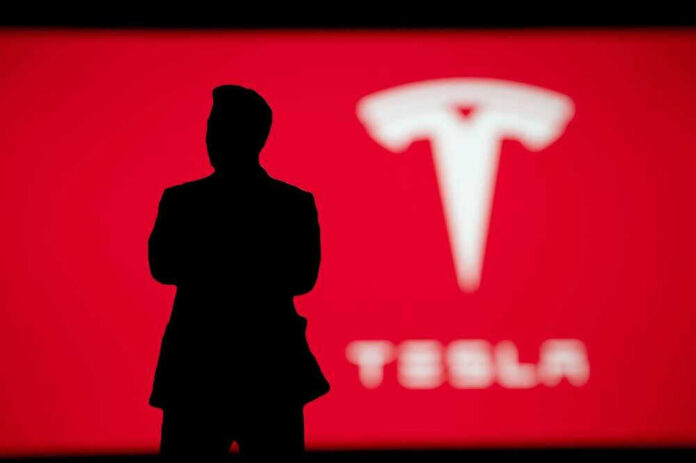
Tesla abandons customer choice by forcing Full Self-Driving into a subscription-only model, eliminating the ownership option that millions of Americans preferred while Musk chases his trillion-dollar compensation package.
Story Highlights
- Tesla eliminates one-time FSD purchase option entirely, forcing monthly subscriptions starting February 14, 2026
- Decision driven by Musk’s compensation tied to 10 million active subscriptions and potential $1 trillion stock payout
- Only 12% of Tesla customers adopted FSD despite years of promises about “appreciating asset” value
- Move coincides with regulatory pressure over misleading autonomous driving marketing claims
- Represents corporate pivot away from ownership toward recurring revenue extraction from customers
Corporate Control Over Customer Choice
Elon Musk announced via social media that Tesla will discontinue the option to purchase Full Self-Driving as a one-time fee, transitioning entirely to a monthly subscription model starting February 14, 2026. The decision eliminates customer choice between owning the technology outright versus renting it indefinitely.
Current subscribers pay $99 monthly, while the previous one-time purchase option cost $8,000. This fundamental shift contradicts years of messaging that positioned FSD as an “appreciating asset” customers should purchase immediately.
JUST IN: Elon Musk says Tesla $TSLA Full Self-Driving will switch to a monthly subscription & remove the one-time purchase option. pic.twitter.com/MNv0HwmQVO
— Watcher.Guru (@WatcherGuru) January 14, 2026
Financial Incentives Drive Policy Changes
The subscription-only mandate directly aligns with Musk’s compensation structure, which requires reaching 10 million active FSD subscriptions to trigger a potential $1 trillion stock payout. Tesla’s CFO disclosed that only 12% of all Tesla customers have paid for FSD, representing a massive underperformance that threatens Musk’s financial goals.
The company faces declining sales and lost market leadership to China’s BYD in global battery-electric vehicle deliveries, creating pressure to extract recurring revenue from existing customers rather than expanding market appeal.
Regulatory Pressure Influences Corporate Strategy
Tesla faces potential 30-day sales license suspension in California over allegations of misleading marketing about autonomous driving capabilities. Multiple class action lawsuits challenge Tesla’s claims about future autonomous features that have failed to materialize despite years of promises.
The subscription model strategically repositions FSD as a current driver assistance service rather than a future autonomous capability, potentially reducing Tesla’s legal liability exposure while helping the company comply with regulatory requirements for truthful advertising.
The timing reveals how government pressure can force corporations to abandon long-standing business models. Tesla’s pivot from ownership to subscriptions demonstrates corporate willingness to eliminate customer preferences when facing regulatory scrutiny and compensation incentives.
Economic Impact on American Consumers
The subscription-only model transforms a one-time $8,000 purchase into perpetual monthly payments totaling $1,188 annually. Customers who preferred owning technology outright lose that option permanently, forcing them into recurring payment structures that benefit Tesla’s cash flow at consumer expense.
Existing FSD owners retain access but lose the resale value proposition that previously came with vehicle-attached features. The change represents a broader corporate trend toward subscription-based revenue extraction rather than traditional ownership models that gave consumers long-term value.
🚗 Musk says Tesla is moving Full Self-Driving to a monthly subscription, shifting from a one-time purchase to ongoing payments — a big change for EV owners and Tesla’s revenue model. pic.twitter.com/1akJhQXpIm
— Quant Data (@QuantData) January 14, 2026
This shift exemplifies how corporate interests increasingly override customer preferences, particularly when executive compensation packages depend on subscription metrics rather than customer satisfaction or product innovation. The elimination of choice reflects a concerning pattern where companies prioritize predictable revenue streams over consumer autonomy.
Sources:
Tesla is locking Full Self-Driving behind a subscription wall – Autoblog
Tesla to change access to full self-driving system into monthly subscription – LA Times
Tesla will only offer subscriptions for Full Self-Driving (Supervised) going forward – TechCrunch
Tesla (TSLA) to stop selling Full Self-Driving package, subscription only – Electrek
Full Self-Driving Subscriptions – Tesla Support