

America’s Iran war is now smashing the energy lifelines that keep your grocery bill, commute, and home heating from spiraling even higher.
Story Snapshot
- The International Energy Agency says more than 40 energy assets across nine Middle East countries have been “severely or very severely” damaged in the regional conflict.
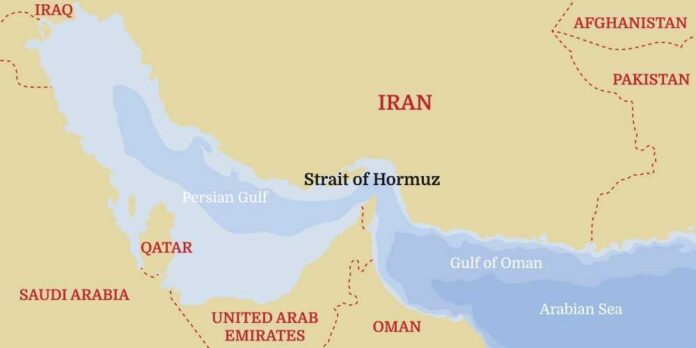
- Shipping through the Strait of Hormuz has been effectively disrupted since early March, threatening a major global oil chokepoint.
- The IEA says it is preparing an initial release of 400 million barrels from emergency oil reserves, with more possible if needed.
- IEA chief Fatih Birol warns the disruption hits oil, gas, and trade routes at once—comparing the shock to past crises combined.
Energy infrastructure damage is spreading beyond the battlefield
IEA Executive Director Fatih Birol says more than 40 energy assets have been “severely or very severely” damaged across nine Middle East countries as the Iran war grinds on. The reports describe harm to critical links in the energy chain—fields, refineries, and pipelines—meaning repairs will not be quick even if fighting slows.
For American households already angry about high costs, the immediate risk is simple: less reliable supply and higher prices.
More than 40 Middle East energy assets ‘severely damaged,’ IEA chief says https://t.co/s1wFWM4C1u
— CNBC (@CNBC) March 23, 2026
Birol’s warning lands in a political moment that’s unusually tense on the Right. President Trump’s second term is defined by conflict with Iran that began with U.S.-Israeli strikes on Feb. 28, followed by Iranian retaliation across the region.
Many MAGA voters who cheered a tougher posture abroad are now split, questioning why the U.S. is pulled into another open-ended fight—and why U.S. consumers should absorb the economic pain of a widening regional war.
Hormuz disruption turns a regional war into a global price shock
The Strait of Hormuz is the pressure point Birol repeatedly emphasized, and for good reason. The passage typically handles roughly 20 million barrels of oil per day, and the disruption reported since early March has pushed up shipping costs while tightening supply.
When energy traders price in uncertainty at a chokepoint like Hormuz, the result reaches the U.S. fast through fuel, freight, and downstream costs—even if the fighting is thousands of miles away.
Birol compared the current disruption to the historic 1970s oil shocks and the 2022 European natural gas crisis—combined. That comparison is not a partisan talking point; it is an attempt to describe how multiple systems are being hit simultaneously: oil flows, gas markets, and trade routes.
For conservatives who have long argued that Washington’s spending and inflationary policies punish working families, this is another example of how foreign entanglements can act like a hidden tax.
Emergency oil reserves may soften the blow, but they don’t fix the cause
The IEA says it is preparing an initial release of 400 million barrels from emergency oil reserves and signaled that more could follow if conditions deteriorate. That can help calm markets in the near term, but it is a temporary bridge—not a permanent solution.
A reserve release does not reopen damaged refineries, rebuild pipelines, or restore safe shipping. If the conflict drags on, the underlying supply-chain damage can keep prices elevated longer.
Conservatives are divided: support allies, avoid regime-change traps, protect the home front
The available reporting focuses on energy impacts, not internal U.S. political debates, but it helps explain why grassroots conservatives are uneasy. When wars threaten energy security, the consequences show up at home immediately—especially for retirees and families on fixed incomes.
Birol also cautioned against export restrictions that can add diplomatic strain. That warning matters because government-driven controls and emergency measures can expand quickly during wartime, often with limited transparency.
The clearest takeaway from Birol’s assessment is that recovery will likely be slow because energy assets are complex and interconnected. Even after missiles stop flying, oil fields, terminals, and refineries can take significant time to return to full capacity.
With limited public detail on which nine countries and which specific sites were damaged, Americans should expect uncertainty to persist. For a conservative audience skeptical of “forever wars,” that uncertainty is the real danger: prolonged conflict paired with prolonged costs.
Sources:
Global energy watchdog says over 40 Mideast energy sites heavily damaged by conflict
Over 40 Middle East energy assets ‘severely damaged,’ IEA chief says
Over 40 Middle East Energy Assets Severely Damaged, IEA Says