
After years of “green” talking points, Washington is again admitting the obvious: if the electric grid can’t survive peak demand, Americans will pay the price in blackouts and lost lives.
Story Snapshot
- Energy Secretary Christopher Wright says the U.S. grid must be designed for peak demand, not average usage, after winter storm stress tests exposed reliability gaps.
- Constellation Energy aims to restart Three Mile Island Unit 1 by 2027, betting that nuclear baseload will be needed as data centers and manufacturing drive demand.
- During Winter Storm Fern, the Energy Department says emergency actions and dispatchable generation helped prevent blackouts.
- Sources dispute what Wright emphasizes: critics argue that renewables matter more throughout the year, while Wright focuses on performance during extreme peaks.
Peak-Demand Reality Is Forcing a Reliability Reset
Energy Secretary Christopher Wright is putting grid reliability back at the center of federal energy policy by stressing a simple engineering point: power systems fail during extremes, not on mild days.
Wright’s message follows Winter Storm Fern, when demand surged, and grid operators leaned on dispatchable resources and emergency measures to keep electricity flowing. The practical takeaway is that planners must build for the hardest hours—when heat, cold, and human safety collide.
Wright’s comments reflect a broader shift under the Trump administration toward “capacity first” thinking—ensuring enough controllable generation exists when people need it most.
That approach contrasts with policies that prioritize nameplate renewable buildouts while assuming short-duration storage and imports can cover gaps.
The research noted that batteries typically provide limited duration, which matters when storms stretch for days, and peak demand persists through multiple overnight cycles.
Three Mile Island’s Planned Return Signals a Nuclear Bet on Baseload
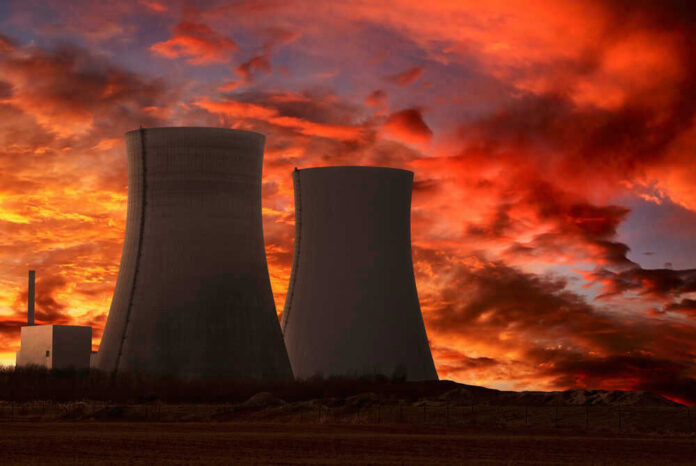
Constellation Energy’s plan to restart Three Mile Island Unit 1 by 2027 is being framed as part of a nuclear comeback tied to rising electricity demand.
The site carries historic baggage because of the 1979 partial meltdown at Unit 2, but Unit 1 operated for decades afterward and shut down in 2019 amid economic pressures. The new push is driven less by nostalgia than by growth in data center loads and industrial expansion.
Energy secretary says grid must be built for ‘peak demand’ as Three Mile Island plans return https://t.co/CguSjK11mV
— FOX Business (@FoxBusiness) February 20, 2026
Industry leaders argue that nuclear’s value lies in steady output that is not dependent on weather, time of day, or fuel delivery interruptions. For a grid designed around peak demand, that steady output can reduce the last-minute scrambling required during extreme events.
Supporters also point out that transmission constraints and permitting delays make it difficult to move large amounts of power quickly across regions, increasing the value of reliable generation located near major load centers.
What Winter Storm Fern Exposed About “Average” Planning
The Energy Department’s public accounting of Winter Storm Fern emphasizes emergency actions to prevent outages, including the use of backup generation and steps involving coal-fired power.
The research summary states that hydrocarbons supplied a dominant share of peak power during the event, and DOE portrayed its actions as preventing blackouts.
While the exact operational mix varies by region, the broader point is that severe winter events pressure everything at once: fuel supply, equipment performance, transmission lines, and operator margins.
That stress test also highlights a planning weakness conservatives have warned about for years: designing policy around average annual generation shares can hide what happens during the worst hours. A resource that looks strong on annual percentages may still contribute little when output drops just as demand spikes.
Renewables Debate: Peak Hours Versus Annual Totals
Critics cited in the provided research argue that Wright’s framing can be misleading because it highlights peak snapshots rather than annual contributions.
Canary Media, for example, contends renewables provide a substantial share over the year and that curtailment often reflects economics rather than “waste.”
Both claims can be true at the same time because they measure different realities: average energy across months versus dependable performance during the most punishing hours of the year.
For consumers—especially older Americans who remember what it means to lose heat—peak performance is not an academic metric. A grid that leans too heavily on resources that can’t be dispatched on command risks higher costs for backup capacity, emergency interventions, and redundant infrastructure.
The sources do not settle every technical dispute. Still, they document a clear policy fork: whether federal planners prioritize annual clean-energy targets or firm capacity that can ride through extremes.
Why the 2027 Timeline Matters for Prices, Jobs, and Stability
The restart target for Three Mile Island Unit 1 comes as projections anticipate significant growth in U.S. peak demand over the next decade, driven by electrification, manufacturing, and the data economy.
If that growth materializes, the country will need either major new firm generation, major grid upgrades, or both. Nuclear restarts are not quick, and permitting plus regulatory reviews can stretch timelines, so the 2027 goal is meaningful even if not guaranteed.
For Pennsylvania and the broader Mid-Atlantic region, additional nuclear capacity could strengthen reliability and support local jobs tied to plant operations and surrounding services.
In the national debate, the story underscores a basic conservative point, grounded in the available research: energy policy must prioritize affordability and reliability for families before ideology.
The research also notes limits in available details beyond February 2026 reporting, so readers should watch for updated regulatory milestones and final financing commitments.
Sources:
Energy secretary says grid must be built for ‘peak demand’ as Three Mile Island plans return
HHRG-119-IF03-MState-C001066-20260203.pdf
What Energy Secretary Wright gets wrong about the US grid
Energy secretary calls for more emphasis on fossil fuels to keep power on during winter storms
Energy Department prevented blackouts, saved American lives during winter storms
Energy Secretary prevents closure of coal plant that provided essential power during winter storm