
Trump’s push to force voter ID nationwide is colliding head-on with the Constitution’s limits on presidential power—setting up a legal fight that could shape the 2026 midterms.
Quick Take
- President Trump says he will require voter ID for the 2026 midterms and is willing to use an executive order if Congress won’t act.
- The House passed the SAVE America Act, but Senate leaders signal it won’t advance, increasing pressure for executive action.
- Federal courts have already blocked a prior Trump elections executive order, citing the Elections Clause and separation of powers.
- Evidence cited in reporting suggests noncitizen voting is rare, while critics warn strict documentation rules could block eligible voters.
Trump Ties Midterm Rules to Voter ID and Proof of Citizenship
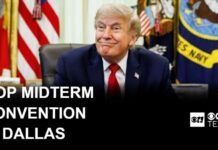
President Donald Trump posted on Truth Social on Friday, February 13, 2026, saying voter ID will be required for the 2026 midterm elections and suggesting he will proceed “whether approved by Congress or not.” Trump also called for proof of citizenship, major limits on mail-in ballots with narrow exceptions, and federal oversight when states “fail” to run elections properly. As of February 14 reporting, no executive order had been issued.
Trump’s comments arrived days after House Republicans advanced a legislative path. On February 11, the House passed a revised SAVE America Act that would require proof of citizenship for federal voter registration and impose a photo ID requirement for voting.
Senate Minority Leader Chuck Schumer publicly declared the bill “dead on arrival,” framing it as an attempt to interfere with midterm participation and warning that Senate Democrats would block it.
The Constitutional Hurdle: Elections Clause Limits Executive Shortcuts
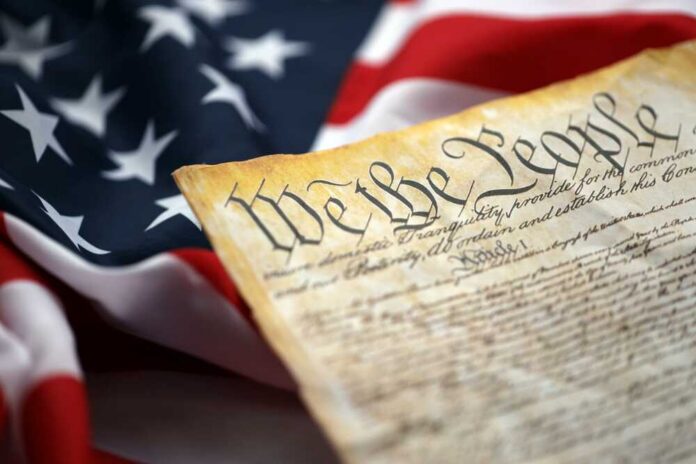
Article I’s Elections Clause gives states primary authority over the “Times, Places and Manner” of elections, while Congress can alter state rules through legislation. That framework is the core obstacle to any attempt to mandate nationwide voter ID by executive order.
Federal courts have already treated this issue as a separation-of-powers problem, not a policy debate, which is why any new order would likely face immediate lawsuits and emergency injunction requests.
The most relevant precedent comes from Trump’s earlier election executive order in March 2025, which required documentary proof of citizenship on federal forms. A federal judge, Colleen Kollar-Kotelly, blocked that order in April 2025, writing that the Constitution entrusts election regulation to Congress and the states—not the President.
Reporting also indicates a permanent injunction followed in January 2026, reinforcing that courts view unilateral presidential rulemaking in federal elections as legally vulnerable.
Trump says he will issue an executive order to get voter-ID requirements before the midterms.
We don’t need approval from Congress. pic.twitter.com/zTQc6GKGna— neurofiber (@neurofiber) February 14, 2026
House Republicans’ SAVE Act Strategy vs. Senate Resistance
The SAVE America Act is designed to do through Congress what an executive order may not: set uniform requirements for federal elections through statute. House Republicans argue that requiring documentation is basic election integrity and aligns with common-sense expectations most Americans already follow in daily life.
Senate resistance, however, is the bottleneck. With the bill stalled and the midterms approaching, Trump’s public threat to act alone functions as political pressure—but it also invites the same legal challenges that stopped his prior order.
Fraud Claims, Limited Evidence, and the Risk of Blocking Eligible Voters
Reporting cited in the research reflects a central tension. Trump argues Democrats oppose voter ID to enable cheating, but multiple sources note there is no evidence of widespread noncitizen voting.
One example referenced is a Georgia audit from the 2024 cycle that found 20 noncitizens among 8.2 million voters, with 9 having voted. That kind of data undercuts claims of a large-scale problem while still leaving room for voters to demand tighter controls as a matter of principle.
Critics—including voting rights groups—focus on the practical effect of strict documentation rules. Analyses referenced in the research warn that some eligible Americans lack readily available documents such as passports or birth certificates, especially seniors, low-income voters, and people who have moved frequently.
Even supporters of tighter election rules should recognize the policy tradeoff: stronger verification can also create friction for lawful voters unless states provide easy, low-cost paths to obtain compliant IDs and replacement records.
What to Watch Before November 2026
The near-term reality is procedural. If the SAVE America Act does not clear the Senate, Trump may still attempt executive action, but the administration would have to explain how it fits within existing federal statutes and the constitutional division of authority. Courts will likely be asked to decide quickly, given election calendars.
For voters frustrated by years of chaos and distrust, the biggest question is whether leaders can secure elections while staying inside constitutional guardrails—because shortcuts rarely survive a judge.
Trump says he will issue executive order to get voter-ID requirements before midterms https://t.co/IMrejkJNg8
— @AcrossTheCurve (@acrossthecurve) February 15, 2026
State policy will remain a major factor regardless of what happens in Washington. Research referenced here indicates roughly 36 states already require some form of identification, meaning the country is not starting from zero.
The fight is over uniformity, federal enforcement, and proof-of-citizenship rules for registration. If Congress acts, the rules could be clearer and more durable. If executive action leads, uncertainty and litigation could dominate the election season.
Sources:
Trump says midterm elections will require voter ID under new executive order
Trump to issue executive order on voter ID if legislation fails
Trump: There will be voter I.D. for the midterm elections whether approved by Congress or not
Trump threatens to bypass Congress and order new voting laws ahead of midterms
New SAVE Act bills would still block millions of Americans from voting